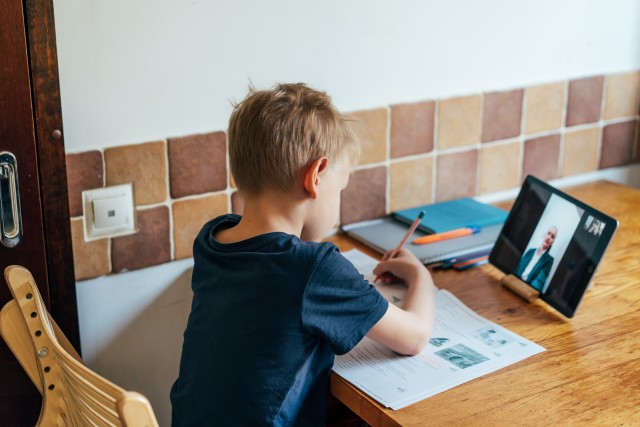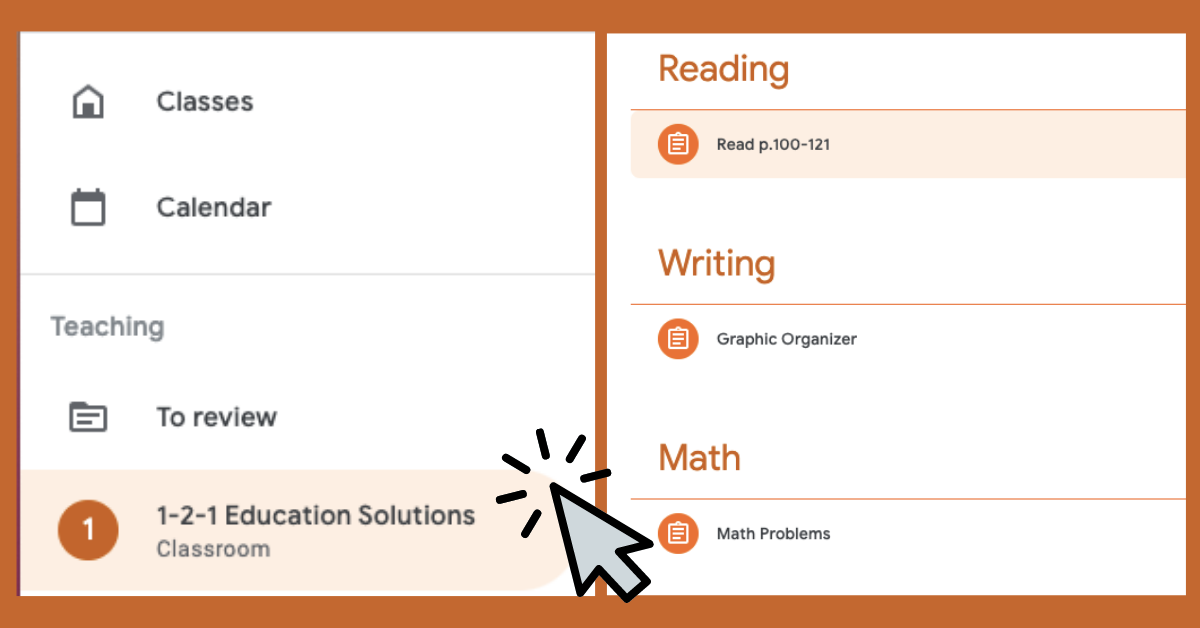

I have been teaching online since 2015 and started using Zoom with Google Classroom a couple of years ago. Although I understand that in-person learning is best for many reasons, like for students to engage in hands-on learning activities or for teachers to use nonverbal cues to support students, a lot of educators are finding that they have to teach online during due to COVID-19.
Here is a list of some of the features in Zoom that help me teach students effectively online.
1. Check the Participants List Periodically
I usually have all the windows and tabs I need for class prepared on my computer ahead of time, such as a Google Document for the lesson’s agenda, Google Slides to demonstrate or practice a skill, or a YouTube video to help explain a concept or as a fun student break.
The Participants box is the one thing I always have open when I teach a group of students online. This gives me a sense of who is attending my class, as well as who has their microphone and video turned on or off. Depending on how big your computer monitor is, you probably can’t see all the students in your class all at once, especially if you are sharing your screen. If this is the case, the Participants window gives you a nice snapshot of who is coming and going while you teach.
Another issue that sometimes comes up when teaching online is that a student may forget to “Mute” themselves during class. I’ve heard some teachers say “Who said that?” or “Who is talking now?” Then, the student answers simply with “Me.” This is less likely to happen if you have your Participants list open. You can see who is unmuted and who might be talking. You also can request students to mute or unmute themselves from the Participants list.
2. Use Visual Prompts for Students
A video is one type of visual I use online, but I use many others. I find images to insert into lessons, take screenshots of work, or write on the whiteboard. Zoom’s Annotate feature is one of my favorites to use when I teach online. You can find the Annotate option in the toolbar when you share your screen (usually at the top). I use it to solve math problems, to circle answers, or to draw lines to connect ideas during instruction.
I often allow students to “annotate” the screen themselves when doing guided or independent practice in a lesson. Some teachers have difficulty giving students permission to annotate the shared screen when there are a lot of students in the class or a student is drawing all over the screen. It is not something I would recommend to do right away, but rather when you have worked with students for a while and established routines with them online. It could be used as a fun break between activities too.
Simple visual prompts, like highlighting text when a student is struggling to read in class or moving my cursor over certain content to help students answer a question, can be very useful in any spur of the moment while teaching.
As a side note, I always try to “Zoom In” (pun intended!) whenever I am sharing my screen. Many students may be viewing your screen on laptops or tablets. The screen can seem clear to you, but can look very small to someone else viewing it. I usually set the view mode for my Google Documents on 125% or 150% to help students see it better. I put my Google Slides in “Presenter View” so that I can see other windows on my computer too while presenting slides.
3. Let Students Engage in Multiple Ways
One of the most important benefits I have found with online teaching is that students can engage in the lesson in multiple ways. Some students feel more comfortable writing in the Chat box, while others prefer to speak in class. Zoom allows for students to respond to a question in the Chat box, post emojis in their camera window, or use the “Raise Hand” button to answer a question.
A lot of adults and children are experts on Zoom now, so we assume that they know how to use all the various features on the platform. However, it doesn’t hurt to take a little time to review some of the most important features that could enhance the student’s learning experience while they are in your online class. For instance, you can show them how to toggle between Speaker View and Gallery View so they can see you and their classmates. They can try out the “Thumbs Up” button when they agree with something you said or turn on the “Clapping” emoji to cheer on a friend in class.
I am sharing my screen most of the time that I am teaching, and I find that a lot of students can’t see me on my camera when I do this. It may be helpful to teach your students how to exit out of “Full Screen” viewing mode while you share your screen. By doing so, students can take notes in another window or use the Chat box as they are listening to you. I often tell students that I will read the Chat box between slides or activities. I like them to know that I’m not ignoring them! It’s too hard to teach and read the Chat box at the same time. Just make sure that if you tell students you will check the Chat box from time to time during the lesson, you actually do it!
These are just a few strategies I use to maximize learning online for students. Please leave a comment if you found these tips to be helpful or if there are other tips you are seeking when teaching (or learning!) online.
Teachers are amazing at adapting and being creative. I have no doubt they will come up with all kinds of incredible ways to make teaching online work for them and their students this school year.